Index
1. What is a concept store and why is it different?
2. Key elements for a memorable experience
3. The hidden advantages of successful concept stores
4. Strategies for building and promoting a concept store
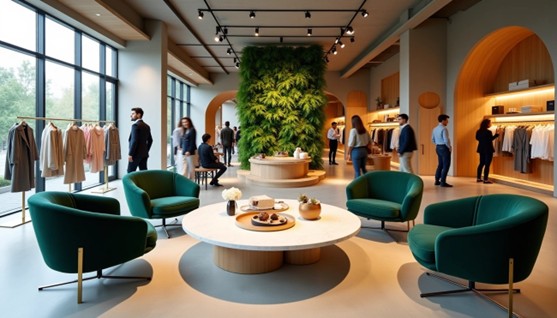
What is a concept store? It is a multifunctional commercial space with cutting-edge design that offers different types of products and services, accompanied by entertainment opportunities. Unlike traditional shops, these evocative spaces carefully study customer needs, immersing the products on sale in a variety of experiences designed to capture attention. Furthermore, purchasing is no longer an end in itself, but becomes part of an immersive experience that embraces more evolved concepts of community and belonging.
In this article, we will discover the secrets that no one reveals about the customer experience in successful concept stores. We will analyse how these experiential environments, where the emotional component plays a crucial role, can become real destinations. We will also show how companies that interpret these changes, strategically integrating technologies, gain a decisive competitive advantage in a market increasingly oriented towards personalisation.
What is a concept store and why is it different?
Definition and meaning of concept store
The term concept store refers to a multifunctional commercial space that goes far beyond simple sales. It is a retail outlet that offers various types of products and services – from bookshops to restaurants, beauty salons to art galleries – within a coherent and evocative setting. At the heart of this model is a strong distinctive identity that is reflected in every detail: from the furnishings to the lighting, from the display of products to their selection.
In fact, the concept store is designed to capture the consumer's attention and entice them to spend time inside the space. The main objective is to create an experience of exploration and discovery through a variety of suggestions coming from both the variety of products on display and the architecture of the environment itself. Differences from traditional shops Unlike traditional shops, a concept store stands out for a number of key elements:
- Customer focus: everything revolves around the consumer, who becomes the main player in this experience, with their needs and habits
- Versatility of spaces: often designed to ‘change skin’ quickly, transforming themselves throughout the day
- Multisensory approach: purchasing is strongly influenced by the emotional component, so every element is designed to enhance the shopping experience
While a traditional shop focuses on commercial transactions, concept stores transform shopping into an engaging experience. They are no longer simply a container for goods, but a stage for identity, culture and lifestyle.
Why it is a winning model today
Paradoxically, online shopping, which seemed destined to make physical shops disappear, has actually pushed them towards a new evolution. In today's market, new-generation retail outlets are finding themselves studying customer needs in depth to create an ecosystem of services and experiences.
Concept stores are therefore a winning response to the digitalisation of commerce. Freed from the logic of utility, these spaces have become galleries, cafés and clubs. They do not simply sell objects, but stories and a sense of belonging.
Furthermore, the sense of community created in these environments leads to customer loyalty. People do not go to a concept store just to make a simple purchase, but to enjoy a complete and engaging experience, which they can also talk about with their friends.
Key elements for a memorable experience
The shopping experience in concept stores does not happen by chance, but is built through strategic elements that work in synergy to create a lasting impression.
Immersive design consistent with the brand
The visual identity of a concept store must be unique and recognisable, capable of becoming a benchmark in the market. Every element – from colours to signage, from signage to furnishings – must be linked to the corporate identity in order to establish a relationship of trust with the customer. This strategic approach combines aesthetics, functionality and consumer psychology to create unique and engaging experiences.
In particular, flagship stores and showrooms have greater appeal thanks to the prestige they confer on the brand, representing its identity to the fullest through high-quality materials and distinctive details.
Careful selection of products
In an effective concept store, the selection of products is carefully designed to align with the theme or philosophy being promoted. Each item is chosen not only for its quality and design, but also for how it fits into the overall narrative of the store.
Furthermore, knowing how to arrange merchandise strategically is key to increasing sales. Shelf marketing is a set of display techniques that catch the consumer's eye and convince them to buy.
Technology and interactivity
Successful concept stores integrate innovative technologies to enhance the customer experience. Interactive displays, digital walls and “Instagram-ready” rooms encourage customers to spend more time in store. Retailers who implement immersive corners see an average increase of 30% in dwell time and 11% in average spend.
Augmented reality also plays a key role in the shopping experience: users are more likely to buy if the experience is enriched by solutions that use this technology, which allows customers to view virtual products in the real world, try items virtually and customise products in real time.
Events and experiential activities
Exclusive events transform the concept store from a place of sale to a cultural and social meeting point. Art exhibitions, product presentations, workshops and meetings with designers offer visitors additional reasons to return.
The aim is to increase the number of visits and the average time spent in the store, thus increasing the likelihood of purchase. Through sensory settings and interactive activities, the brand comes to life, generating authentic connections and an emotional bond that strengthens loyalty.
The hidden advantages of successful concept stores
Behind the appealing aesthetics and unique atmosphere of concept stores lie strategic benefits that go far beyond simply selling products.
Loyalty and a sense of community
Successful concept stores create an ecosystem in which customers feel part of something bigger. These spaces facilitate interactions between people with similar interests, transforming them into real meeting places and not just places to shop. In fact, by adapting environments to local preferences, brands establish an emotional connection with customers that fosters a sense of belonging and personalisation, encouraging them not only to buy but also to return and recommend the brand to others.
Increased perceived value
Neuroscientific studies show that 80% of purchasing decisions are made unconsciously. The senses activate emotions and perceptions that influence rationality, increasing the perceived value of products. In a landscape where price and speed are often dominated by e-commerce, physical stores win precisely because they offer real, multi-sensory experiences.
Longer time spent in store
Concept stores are designed to increase the number of visits and the average time spent in store. Retailers who implement immersive corners see an average increase of 30% in time spent in store and 11% in average spend. This translates directly into greater sales and conversion opportunities.
Wow effect and social sharing
The wow effect encourages word of mouth, strengthening the brand's reputation and promoting both customer loyalty and new customer acquisition. Many concept stores strategically integrate:
- Instagrammable corners with specific hashtags for sharing
- Personalised experiences that pleasantly surprise
- Exclusive events that become a topic of conversation
This social dimension transforms every satisfied customer into a potential brand ambassador.
Strategies for building and promoting a concept store
To launch a successful concept store, you need to follow specific strategies that go beyond simply selling products.
Define a strong and recognisable identity
First of all, you need to focus on branding: your logo, colour palette and website must reflect the essence of your business. What concept does your concept store need to communicate? It is essential to find a theme that connects the products on which to focus your overall image. Each space designed must tell a unique story that stays in the minds of customers.
Use social media strategically
Social media is a powerful tool for promoting your concept store. Create visually appealing content that captures the essence of the concept. Instagram, in particular, has proven to be fundamental: 83% of its users discover new products through this platform.
Collaboration with artists and designers
Collaborations with renowned artists and designers add exclusivity and authenticity to the concept store. These can take different forms: exclusive products, art installations or special events.
Create exclusive events and pop-ups
Exclusive events are great for generating interest and attracting potential customers. Pop-up stores offer the opportunity to test new markets without long-term commitments. The element of urgency and temporariness stimulates customers to buy: limited product availability or limited time creates a sense of exclusivity.
Integrate e-commerce and phygital experiences
The phygital experience combines the best of the physical and digital worlds. Implement technologies such as QR codes, augmented reality or virtual fitting rooms. Tools such as mobile apps offering exclusive promotions create a bridge between physical stores and online presence.
Conclusions
The journey through the world of concept stores clearly demonstrates how these spaces represent much more than just retail outlets. Certainly, their strength lies in their ability to transform shopping into a memorable experience, creating a lasting emotional bond between customer and brand.
The strategic combination of immersive design, curated product selection, interactive technology and exclusive events makes these places destinations where customers want to spend their time. When designing a concept store, every detail must tell a unique story and reflect the brand's values.
The experiential dimension, therefore, becomes the real distinguishing feature compared to traditional shops. While e-commerce continues to dominate in terms of convenience and price, concept stores can win over customers through multi-sensory experiences that are impossible to replicate online.
The advantages of this approach extend far beyond immediate sales. In fact, creating a community around the brand, increasing perceived value and promoting organically through social media translate into long-term benefits for the business.
Although it requires significant investment in terms of creativity and resources, this evolution in retail is an effective response to the challenges of the contemporary market. Furthermore, the union between the physical and digital worlds offers unique opportunities to differentiate yourself from the competition.
The real challenge lies in maintaining authenticity and constant innovation. Spaces must continually evolve, surprising regular customers and attracting new visitors. This balance between identity consistency and renewal is the secret of concept stores that thrive year after year.
Whatever the sector, the concept store approach can revolutionise the way you interact with customers. The ability to create an experience that exceeds expectations will determine the success of commercial spaces in the future of retail, which is increasingly oriented towards uniqueness and personalisation.